
full length wall mirror with lights
Understanding Pool Check Valves Essential for Pool Maintenance When it comes to maintaining a swimming pool, one component that often gets overlooked is the check valve. Specifically, the pool check valve plays a crucial role in the overall health and functionality of your pool system. Understanding how these valves work, their importance, and the benefits they offer can help pool owners better manage their property. What is a Pool Check Valve? A pool check valve is a device installed in the plumbing lines of a swimming pool to prevent the backflow of water. It is typically used in conjunction with the pool pump and filtration system. The primary function of the check valve is to allow water to flow in one direction—towards the pool—while preventing any water from flowing back into the plumbing system. This simple mechanism can significantly affect the efficiency and longevity of your pool's circulation system. Importance of Pool Check Valves 1. Prevention of Backflow One of the most critical functions of a check valve is preventing backflow, which can lead to various problems. For instance, without a check valve, dirty water from the pool can flow back into the filtration system, compromising water quality and increasing the workload on the pump. 2. Pressure Maintenance Check valves help maintain the necessary pressure within the pool system. When a pool pump is turned off or the water level drops, the valve closes, preventing the loss of water pressure that can lead to inefficient circulation. 3. Protection of Equipment By stopping backflow, check valves protect other vital pool equipment. This includes the pump, filter, and heater—components that can be damaged by fluctuating pressures or contaminated water. Regular maintenance of the check valve ensures these devices operate smoothly and have a longer lifespan. 4. Energy Efficiency A well-functioning pool check valve contributes to energy efficiency. When water flows back into the plumbing, the pump has to work harder to maintain circulation, which can lead to higher energy bills. By ensuring one-way flow, check valves promote more efficient operation of the circulation system. Signs of a Failing Pool Check Valve Like any mechanical component, pool check valves can wear out or fail over time. Observing some common signs can help you identify the need for replacement - Water Leakage If you notice water leaking from the valve, it may indicate that it is not sealing properly . This could lead to backflow issues. pool check valve - Reduced Water Flow A sudden decrease in water flow can signal a malfunctioning check valve, leading to inadequate filtration. - Strangely Noisy Pump Unusual noises from the pump may suggest that water is moving back through the system, putting undue stress on the pump. - Visible Corrosion or Damage Inspect the check valve regularly for any visible signs of wear, such as rust or cracks. Maintenance Tips for Check Valves Maintaining your pool check valve is relatively straightforward 1. Regular Inspections Check the valve periodically for signs of wear and tear. Look for corrosion or any signs of leakage. 2. Clean the Valve If you notice debris build-up, clean the valve to ensure it operates smoothly. This is particularly important if your pool is surrounded by trees or has heavy leaf fall. 3. Professional Servicing If you’re unsure about the condition of your check valve or how to maintain it, consider hiring a pool professional. 4. Prompt Replacement If a check valve fails, replace it immediately. Delaying can lead to more significant issues within your pool system. Conclusion In conclusion, the pool check valve is a vital component that helps ensure the proper operation of a swimming pool. From preventing backflow to maintaining pressure and protecting equipment, its role cannot be overstated. By understanding the importance of these valves and performing regular maintenance, pool owners can enjoy cleaner, safer water and a more efficient pool experience.
about
full length wall mirror with lights
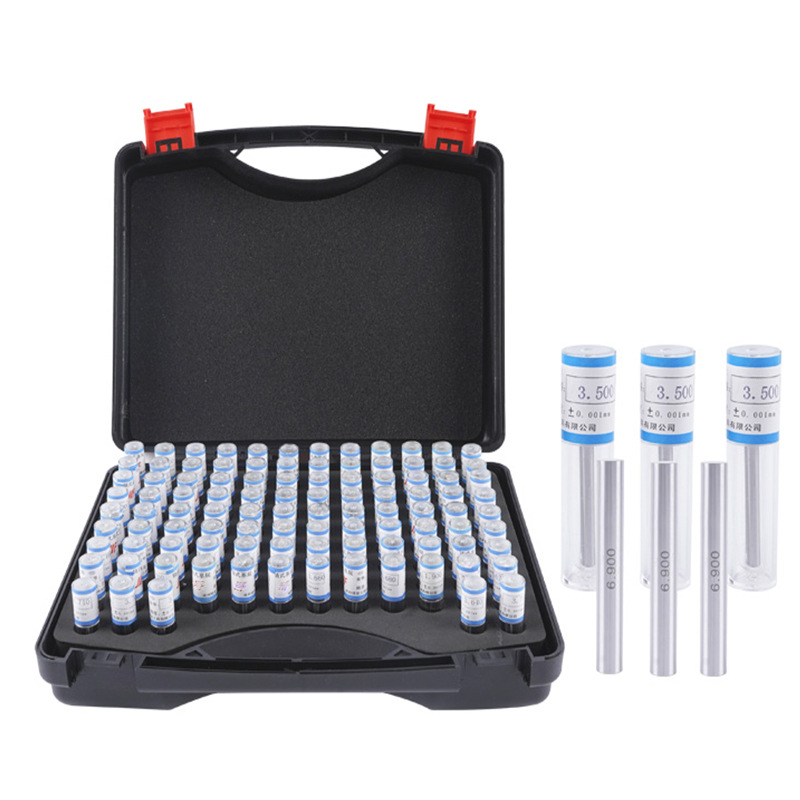
Understanding No Go Pin Gauges An Essential Tool for Quality Control In the realm of manufacturing and quality control, precision is paramount. One of the essential tools used in ensuring that parts meet strict tolerances is the no go pin gauge. This simple yet effective instrument plays a crucial role in verifying the dimensions of various components, ensuring that they meet specifications and can function properly in their intended applications. In this article, we will delve into the purpose, design, and application of no go pin gauges, highlighting their significance in the manufacturing process. What is a No Go Pin Gauge? A no go pin gauge is a type of measuring tool used in the inspection of holes and slots in components. It typically comes in two variants the go gauge and the no go gauge. The go gauge is used to determine if an object fits within the desired size range, whereas the no go gauge is designed to check for maximum allowable limits. If the no go gauge fits into the hole or slot being measured, it indicates that the part does not meet the required specifications and is deemed unacceptable. Design and Materials No go pin gauges are usually made from high-quality materials such as hardened steel or carbide to ensure durability and precision. Their design is straightforward; they often resemble a pin or cylindrical shape that is available in various diameters. The no go gauge is calibrated to match the specified tolerances, with precise dimensions that allow for accurate assessments during inspections. The ends of the pin gauge are usually marked with the gauge size, and some may feature additional markings to facilitate understanding of the measurement system being used. For industries that demand high precision, such as aerospace and automotive, the construction and calibration of no go pin gauges are subject to strict standards to ensure accuracy over time. Applications of No Go Pin Gauges No go pin gauges find applications across various industries, particularly in quality control processes where adherence to specifications is critical. They are commonly used in no go pin gauge 1. Manufacturing During the production of parts, no go gauges help in verifying that holes and slots are not oversized or out of tolerance. This is crucial to ensuring that components fit together correctly in assemblies. 2. Maintenance and Repair In the maintenance of machinery, technicians may use no go pin gauges to assess wear in components. If a part shows signs of being out of tolerance, it may need to be replaced or repaired to maintain optimal function. 3. Tool Making Toolmakers employ no go gauges to ensure that they create tools that meet specified tolerances. This is vital for the production of tools that will be used for critical applications, where deviations can lead to failures or inefficiencies. 4. Quality Assurance In quality assurance programs, no go pin gauges are an integral part of the inspection process. They help to confirm that manufactured parts or assemblies meet the rigorous standards required by regulatory bodies and industry norms. Benefits of Using No Go Pin Gauges The primary benefit of using no go pin gauges is enhanced quality control. By providing a straightforward method to evaluate whether parts are within permissible limits, manufacturers can reduce the risk of defective products entering the market. This, in turn, leads to increased customer satisfaction and decreased costs associated with returns and repairs. Additionally, no go pin gauges are easy to use and do not require complex calibration procedures, making them an accessible tool for operators on the shop floor. Their durability ensures that they can be used repeatedly without significant wear, maintaining accuracy over long periods. Conclusion No go pin gauges are indispensable tools in the world of manufacturing and quality assurance. Their ability to provide a clear, objective measurement ensures that components meet essential specifications, leading to better overall product quality. As industries continue to advance and the demand for precision increases, the role of no go pin gauges will remain vital in maintaining high standards of workmanship and reliability. Whether in a large-scale manufacturing operation or a small repair shop, understanding and utilizing no go pin gauges can significantly contribute to the overall success of production processes.
-

High quality industrial productsagement

High quality industrial products
View Details -

Meet the diverse needs of customers

Meet the diverse needs of customers
View Details -

Strict quality control

Strict quality control
View Details -

Top raw materials

Top raw materials
View Details -

Trusted supplier

Trusted supplier
View Details
Our application


news and information

Vendita di gauge a spina di alta qualità disponibile online
Misuratori a Pugno in Vendita La Scelta Ideale per Ogni Professionista I misuratori a pugno, noti an
Welding and Fabrication Techniques for Efficient Metal Assembly and Construction
Understanding the Welding Fabrication Table A Comprehensive Overview Welding fabrication tables play

v blocks for sale
V Blocks for Sale An Introduction to a Unique Real Estate Opportunity In today’s fast-evolving real
 English